
You might think the real drama at Roland Garros unfolds solely on the main courts, under the Parisian sun, with the world’s top players battling for Grand Slam glory. But a different, often overlooked, battle rages just outside those hallowed grounds: the qualifying rounds. This is where dreams are forged, where underdogs rise, and where the seeds of future upsets are sown.
Central to this vibrant pre-tournament atmosphere are the coveted wildcards. A wildcard in the Roland Garros qualifying rounds is essentially an invitation, bypassing the usual ranking requirements and granting a player direct entry into the qualifying competition. These wildcards are precious opportunities, especially for local talents, rising stars, and players returning from injury. They inject a shot of unpredictability into the mix, creating the possibility for stunning upsets and the emergence of new fan favorites. Having covered countless hours of these qualifying matches, I can attest to the electric atmosphere and the sheer will of these players battling for their chance on the big stage. Prepare to be surprised; Roland Garros qualifying, fueled by wildcard entries, consistently delivers unforgettable tennis moments.
Decoding Roland Garros Wildcards
Have you ever wondered how some players, who might not ordinarily qualify, get a chance to compete at Roland Garros? The answer lies in Roland Garros wildcards. These coveted entries offer a direct path into the main draw or qualifying rounds, bypassing the stringent requirements of ranking points and qualification tournaments.
The French Tennis Federation (FFT) controls the distribution of Roland Garros wildcards. They strategically award them based on several considerations. A primary focus is supporting emerging French talents, providing them invaluable exposure on a grand stage. These FFT selections often target players who are on the cusp of breaking through, rewarding promising performances and potential.
Beyond nurturing domestic players, Roland Garros also engages in reciprocal agreements with Tennis Australia and the USTA (United States Tennis Association). This arrangement allows each federation to grant wildcards to players from the other’s nation, fostering international camaraderie and providing opportunities for players to experience different tournament environments. These agreements typically involve a select number of wildcards for both the main draw and qualifying competitions.
While there’s no fixed ranking guaranteeing a wildcard, the selection process generally favors players within a certain range. For French players, a strong showing in lead-up tournaments or demonstration of significant improvement can greatly increase their chances. For international players considered through reciprocal agreements, factors such as current ranking, past performance, and potential impact are all weighed. In essence, Roland Garros wildcards represent a blend of strategic national support and international collaboration.
Risers and Disruptors – Defining “Surprise”
In tennis, the thrill of an upset, the unexpected triumph of a qualifying underdog, is what keeps fans on the edge of their seats. But what truly defines a “surprise” result? It’s more than just a win by someone ranked lower; it’s a confluence of factors that defy expectations.
A significant ranking difference certainly plays a role. A player ranked outside the top 150 defeating a top-10 seed is inherently more surprising than a player ranked 110 beating someone at number 60. However, ranking alone isn’t the sole determinant. Match context matters immensely. Was the higher-ranked player dealing with an injury? Was it their first match on a specific surface, giving the lower-ranked player an advantage? Was the match a part of a tournament where the favorite has a bad history of performance?
Player history is also crucial. A player with a history of strong performances against higher-ranked opponents, even if currently ranked lower due to a recent slump, is less of a surprise than a complete unknown suddenly finding their form. Also consider previous encounters: there is no statistical metric, but upsets tend to not happen twice.
To set the stage, let’s clarify whatdoesn’t* constitute a major surprise. A top 100 player forced to enter qualifying rounds due to a late tournament entry is not an unexpected victor. Similarly, a player known for their aggressive playing style defeating a defensive player on a fast court, while perhaps a slight upset, isn’t earth-shattering. All of this is usually calculated and shown on sport odds, so a bet on a 2.0 odds is not an upset.
True surprises are statistical anomalies, unexpected victories that rewrite the script and leave fans wondering how it all unfolded.
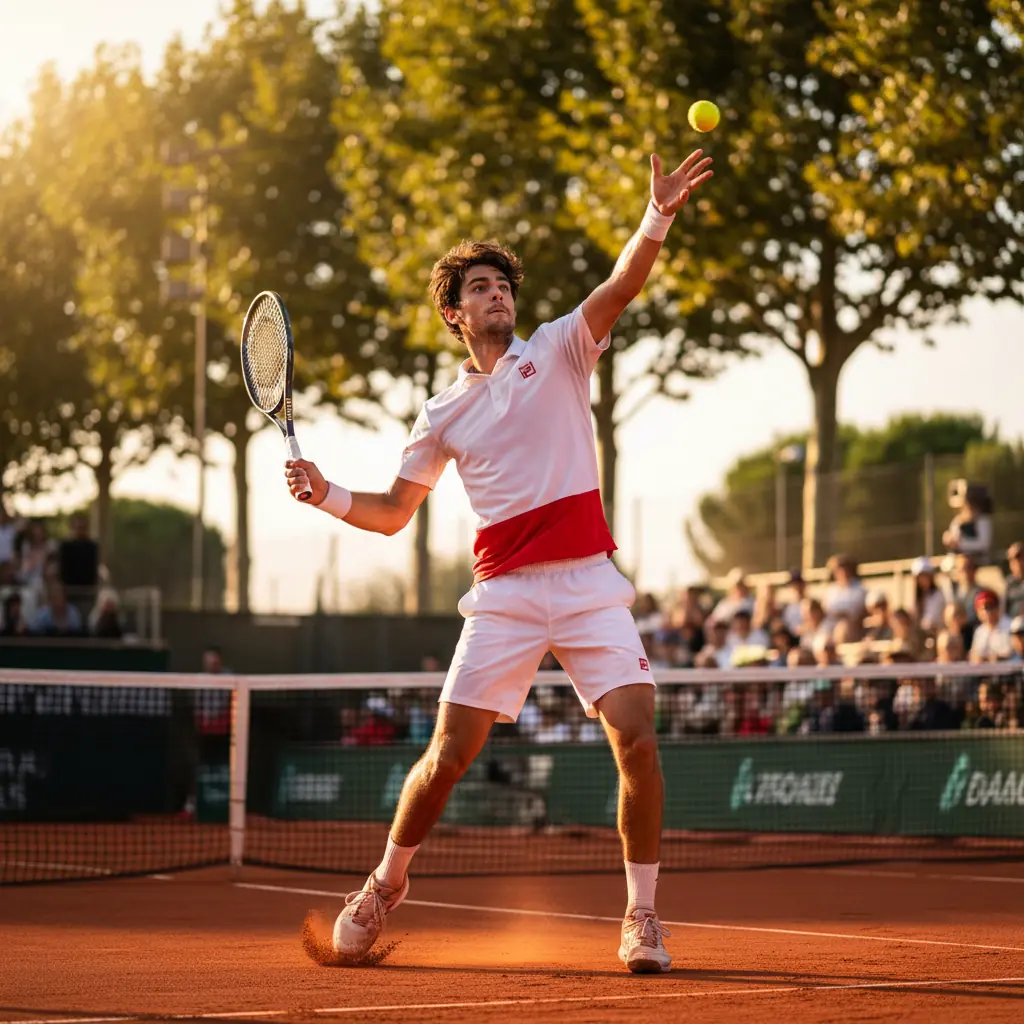
Unearthing Remarkable Runs: Case Studies from 2025
Lois Boisson: The improbable journey to the Semifinals
Roland Garros 2025 witnessed a sporting earthquake in the form of Lois Boisson, a relatively unknown French wildcard, who stormed all the way to the semifinals. Remember when Boisson, ranked outside the top 200, entered Roland Garros as a mere name on the draw sheet for many? That anonymity evaporated swiftly. Her journey was not just about winning matches, but about dismantling expectations and rewriting her own narrative.
One of the most astounding moments was her stunning upset victory over Mirra Andreeva in the fourth round. The match was a masterclass in controlled aggression and capitalizing on pressure points. Boisson’s unwavering focus and ability to absorb Andreeva’s power, redirecting it with interest, proved to be the deciding factor. Stats highlighted her remarkable consistency from the baseline and an uncanny ability to convert break points. The tennis world was in sheer disbelief, with commentators dubbing her run “nothing short of a fairy tale.”
Elsa Jacquemot: The All-French Battle
Elsa Jacquemot, another French wildcard, added another layer of intrigue to Roland Garros 2025. While her run didn’t extend as deep as Boisson’s, her third-round match was one for the ages as she faced a fellow French player in a nail-biting All-French battle. Jacquemot’s junior title win years prior hinted at her potential, but translating that potential to the professional stage had been a challenge. Yet, on this day, fueled by the roaring support of the home crowd, she dug deep, showcasing resilience and determination.
Down a set and facing break points early in the second set, Jacquemot stared defeat in the face. It was then she managed to reverse the negative momentum and unleash a torrent of winners, turning the match on its head. The comeback was a testament to her mental fortitude and her ability to thrive under pressure. The crowd erupted with every point she won, creating an atmosphere so electric it was visible.
The Ripple Effect: Impact on the Main Draw and Beyond
The journey of a qualifying wildcard doesn’t end with their entry into the main draw; it ignites a ripple effect that can disrupt the entire tournament. Their momentum, fueled by multiple victories, poses a significant threat to seeded players, leading to unexpected upsets. Imagine a qualifier defeating a top-10 seed in the early rounds – such a result instantly reshuffles the projected path of other top contenders. Suddenly, a player who anticipated facing a specific opponent in the quarterfinals might find themselves up against the surging qualifier instead. These unexpected matchups inject an element of unpredictability into the tournament dynamics. Consider the butterfly effect: a single win by a qualifier can alter the entire landscape, impacting seeding implications and ultimately influencing who emerges as the champion. The dream run of a wildcard isn’t just a personal triumph; it’s a catalyst for change within the established order of the tournament.
From Qualifier to Contender: Building Momentum
The journey from Roland Garros qualifier to a contender on the main stage is paved with more than just powerful serves and strategic plays; it’s fueled by momentum. The qualifying rounds serve as a crucial proving ground, where early round wins can act as a catalyst, igniting a player’s confidence and reshaping their performance psychology. Winning breeds winning, and each victory in the qualifiers reinforces self-belief, allowing players to shed any doubts and embrace a winning mentality.
Imagine a young, unseeded player battling through the qualifiers. Each match is a hard-fought test, but with every win, their confidence swells. They start to feel an increasing command over their game, anticipating their opponents’ moves with greater accuracy and executing shots with renewed precision. By the time they reach the main draw, they are not just grateful to be there; they are primed with the momentum needed to challenge established players. This early success impacts their career trajectory, setting them on an upward path fueled by newfound belief and experience.
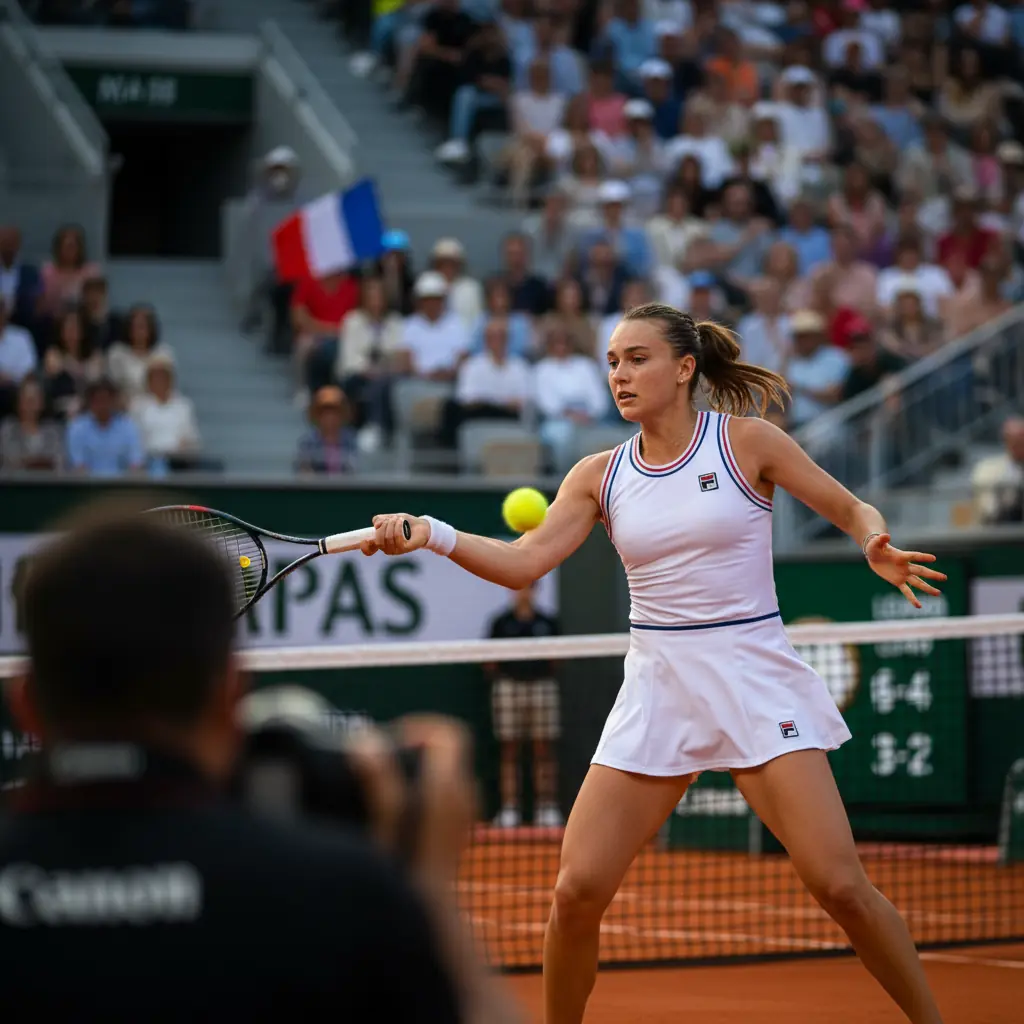
The Future of Wildcards: Spotting the Next Breakthrough Stars
Forget solely relying on rankings to predict the next big wildcard success story. True tennis scouting goes deeper, seeking raw talent ready to explode onto the scene. What separates a fleeting flash in the pan from a player poised for sustained impact?
Talent identification hinges on more than just current performance indicators. Scrutinize players with unorthodox playing styles that can disrupt established rhythms. Keep an eye on athletes demonstrating rapid improvement in specific skills – a suddenly lethal serve or a dramatically improved backhand can signal a coming breakthrough.
For uncovering potential underdog picks, focus on challenger-level tournaments and qualifying rounds of major events. These are breeding grounds where future stars hone their craft away from the spotlight. Pay attention to players who consistently outperform their seeding, displaying mental fortitude under pressure. Look for competitors visibly adapting their strategies mid-match, a sign of high tennis IQ and coaching responsiveness.
Don’t dismiss overlooked veterans either. Sometimes, a change in coaching, a refined training regime, or simply renewed motivation can reignite a player’s career. The next generation isn’t just about teenagers; it’s about anyone capable of elevating their game to a new level. True tennis scouting means looking beyond the obvious and identifying that spark before the rest of the world catches on.
Conclusion
The Roland Garros qualifying rounds are more than just a prelude to the main event; they’re a breeding ground for underdog stories, a stage for future stars to emerge, and a source of thrilling upsets. As we’ve explored, understanding the format, the players involved, and the strategic importance of wildcards can significantly enhance your appreciation of this often-overlooked aspect of the tournament.
Keep an eye on these qualifying rounds. They offer a unique glimpse into the raw talent and unwavering determination that fuel the world of tennis. You might just witness the next big thing or spot a wildcard recipient destined for greatness. Embrace the surprises, celebrate the underdog spirit, and follow the journey from the qualifying courts to the grand stage. The future of tennis may very well be unfolding right before your eyes.